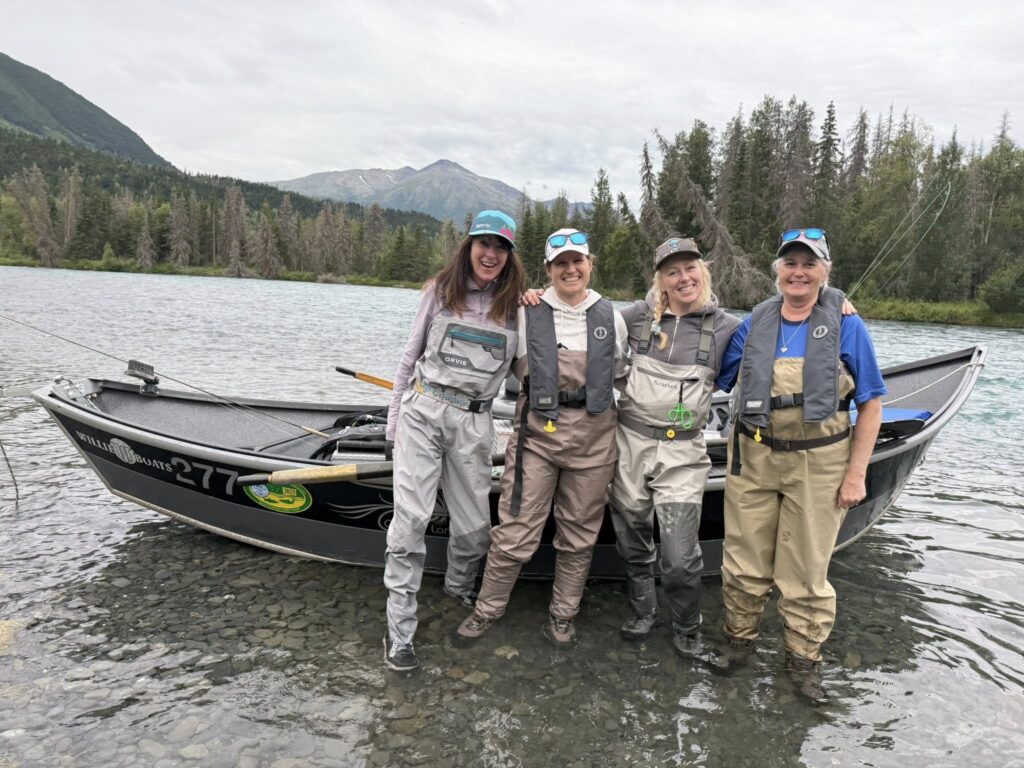
The Kenai Peninsula is blessed with incredible fishing opportunities and getting active with the KPTU Chapter is one of the best ways to meet passionate anglers eager to share their knowledge on where to go, how to improve your skills and what to use to find success fishing the rivers and streams we work together to restore.
Listed below are some of our best local and nearby waters with information on the fishing opportunities all around the area. Always be sure to check the state fishing regulations (https://www.adfg.alaska.gov/index.cfm?adfg=fishregulations.sc_sportfish) and never hesitate to attend a KPTU event to meet people who can answer your questions.
THE KENAI RIVER
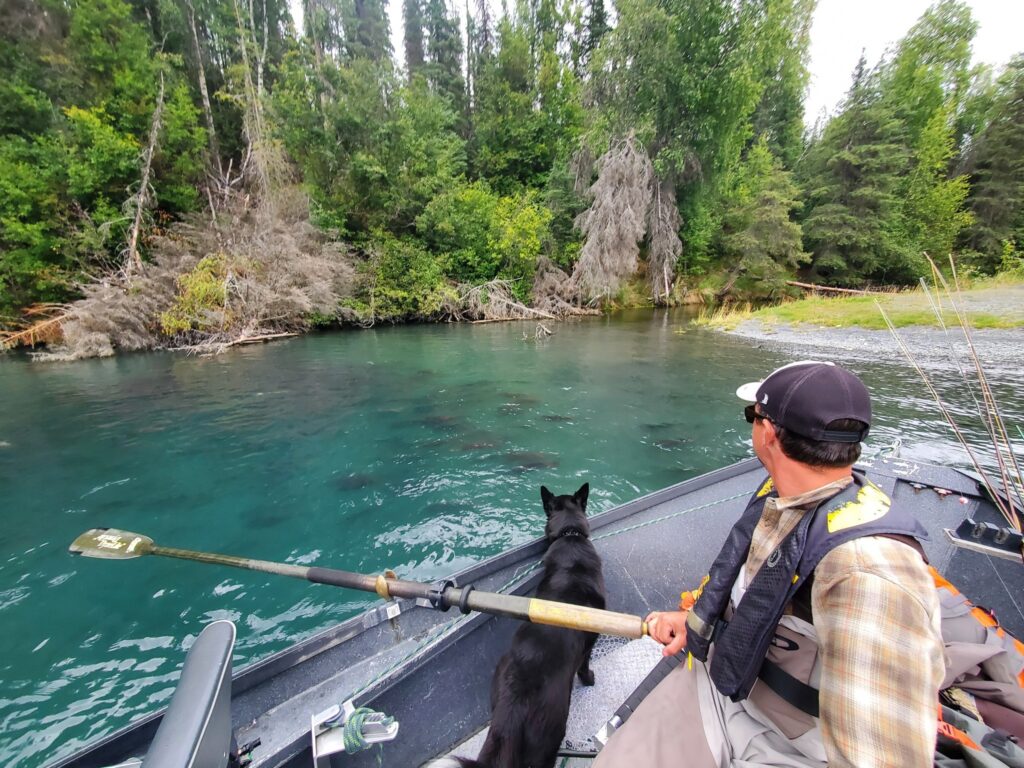
The Kenai River is one of Alaska’s most iconic and heavily used fisheries. Flowing from Kenai Lake to Cook Inlet, this glacial fed river supports world-class salmon runs as well as resident trout and char, making it a focal point for both conservation and angling opportunity.
THE RUSSIAN RIVER
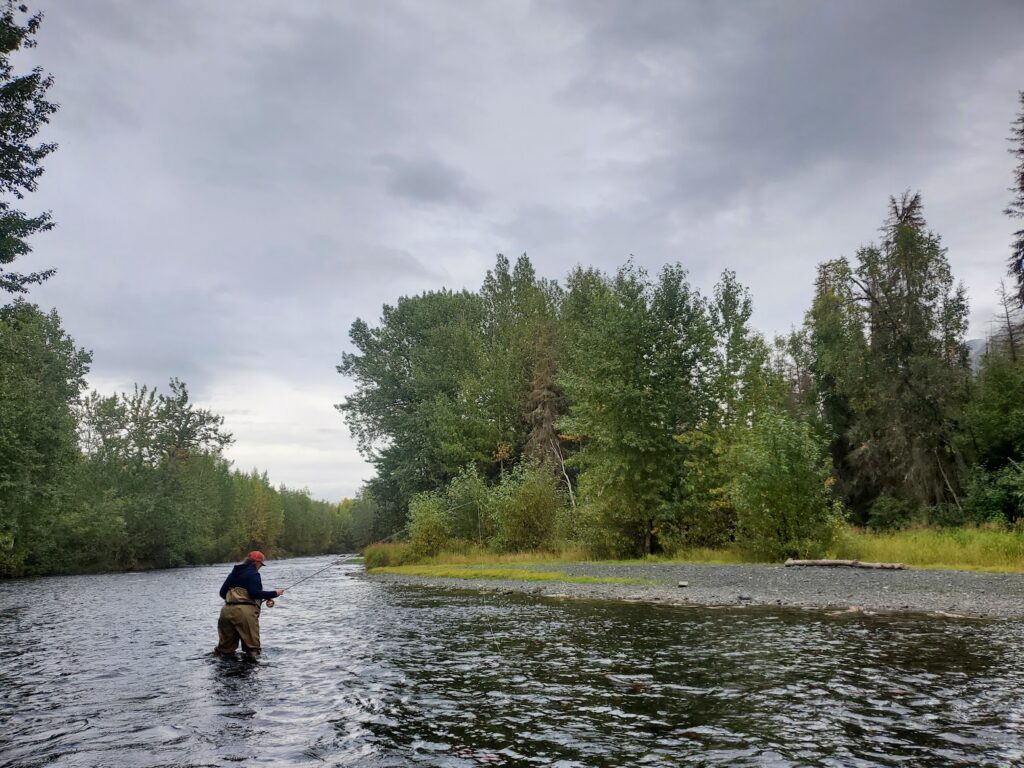
The Russian River is a clear, cold-water tributary of the Kenai River that supports both popular salmon fisheries and important resident trout and char habitat. Best known for its sockeye runs, the Russian River has been the focus of many Stewardship efforts in the watershed. These efforts have aimed to manage heavy recreational use, protecting riparian vegetation, and educating anglers about regulations. Fishing access is primarily walk-in via the Russian River Campground and trail system near Cooper Landing.
THE KASILOF RIVER
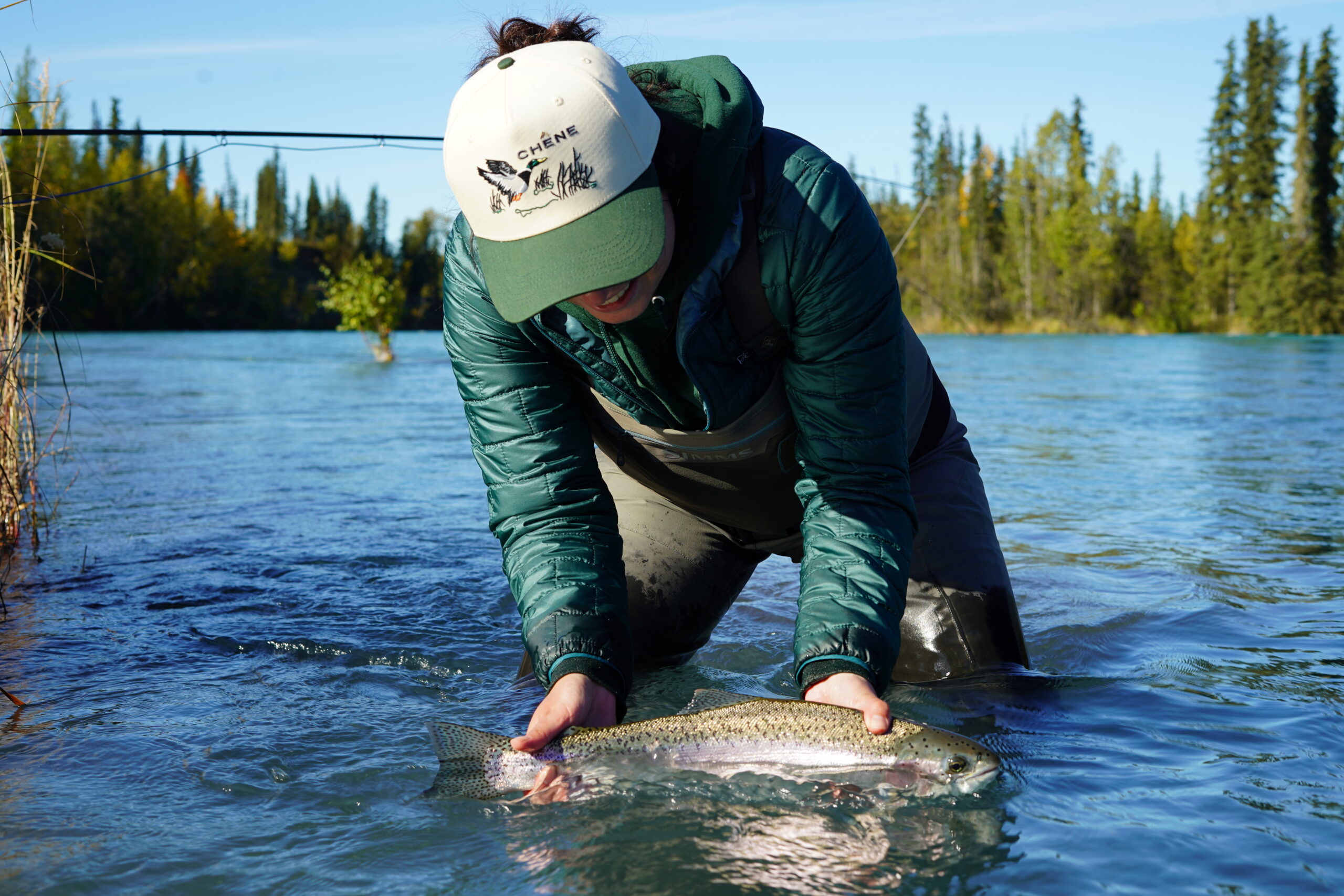
The Kasilof River flows from Tustumena Lake to Cook Inlet and supports strong salmon runs along with resident rainbow trout and Dolly Varden. It offers both bank access and drift boat fishing in regulated sections. Management and stewardship in the Kasilof focus on protecting habitat and maintaining access while conserving wild fish populations. Fishing opportunities vary by season, and anglers should check current regulations before fishing.
Welcome to the Kenai Peninsula!
The Anchor River is a smaller Cook Inlet stream valued for its wild steelhead, trout, and salmon. It is primarily a walk-and-wade fishery and is managed with conservation-focused regulations due to its size and sensitivity. Access is available at several public entry points, with fishing opportunities varying by season. Responsible angling plays an important role in protecting this river.